gpt trading bot, How AI Simplifies Crypto Trading in 2026
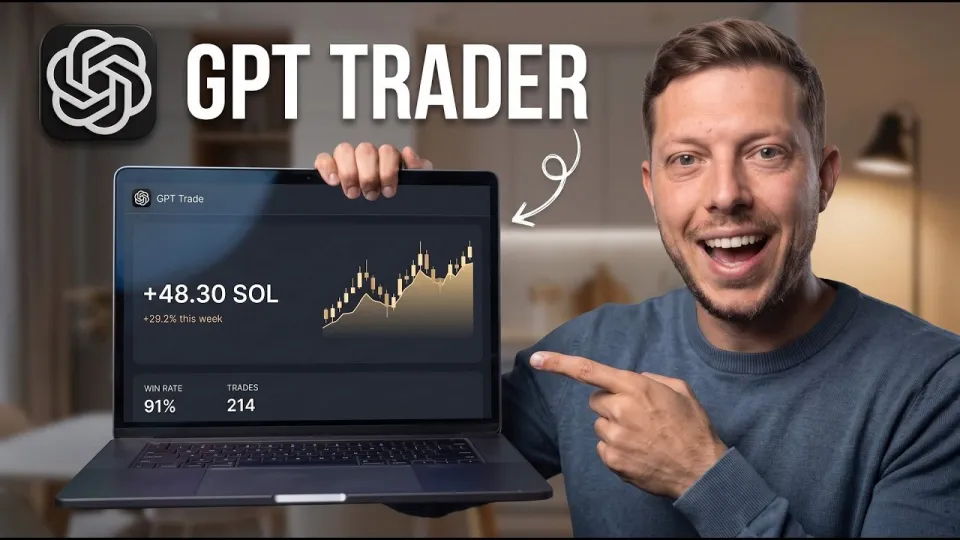
· based on the channel BSFLittlec
Key takeaways
- GPT trading bots automate crypto trading decisions using AI models like ChatGPT.
- TradeGPTBot.com offers user-friendly plans and a step-by-step setup for AI trading sessions.
- Automated trading reduces manual work but involves risks like market volatility and algorithm errors.
- Reliable strategies require multiple sessions and continuous performance evaluation.
- AI trading bots do not guarantee profits; users must research and manage risks carefully.
GPT trading bots are revolutionizing crypto trading by using artificial intelligence to automate decision-making and trade execution. A GPT trading bot leverages advanced language models to analyze market data, generate insights, and place orders, making crypto trading more accessible and less time-consuming for users. Platforms like TradeGPTBot.com provide easy onboarding with clear plans, deposits, and session starts to help traders get started with AI-powered trading.
Understanding GPT Trading Bots and Their Advantages
A GPT trading bot is an AI-driven automated system designed to trade cryptocurrencies based on patterns and data analysis. Unlike traditional bots that follow fixed rules, GPT trading bots use machine learning and natural language processing to interpret market trends and news, potentially improving trade decisions.
Advantages include:
- Automation of complex analyses without requiring expert knowledge.
- Ability to process large datasets and news sentiment rapidly.
- Reduction of emotional bias in trading decisions.
- Continuous operation 24/7 without fatigue.
However, users must understand that AI trading bots also have limitations and depend on the quality of input data.
How to Get Started with a GPT Trading Bot
Launching a GPT trading bot involves several key steps:
- Selecting a Plan: Platforms like TradeGPTBot.com offer various subscription plans tailored to different trading volumes and features.
- Making a Deposit: Users deposit funds into their trading account to back the bot's trades.
- Starting a Trading Session: The bot begins analyzing markets and placing trades automatically.
- Reviewing Results: After the session, users can evaluate performance metrics such as profit/loss, number of trades, and risk exposure.
This structured approach simplifies the onboarding process even for beginners.
Key Features and Workflow of GPT Trade
The GPT Trade interface guides users through the setup with clear explanations at each stage:
- Plan Selection: Choose from plans varying by trade frequency and AI sophistication.
- Deposit Process: Securely fund the trading wallet.
- Session Start: Launch automated trading with monitoring options.
- Result Analysis: Access detailed reports showing session outcomes.
This transparent workflow helps traders understand how their funds are managed by the AI.
Risks and Limitations of Using GPT Trading Bots
Automated crypto trading carries inherent risks that users must consider:
- Market Volatility: Sudden price swings can lead to losses beyond AI predictions.
- Algorithm Errors: AI models can misinterpret data or react incorrectly to unprecedented events.
- Single Session Insufficiency: One trading session does not establish a reliable strategy—long-term monitoring is essential.
- No Profit Guarantees: Past performance or AI sophistication does not ensure future gains.
Traders should never invest money they cannot afford to lose and must perform due diligence before relying on AI bots.
Common Questions and Answers About GPT Trading Bots
Many traders ask about the practical aspects and reliability of GPT trading bots. Typical concerns include:
- How to choose the best plan for your trading goals?
- What security measures protect deposits?
- How often should bots run sessions for meaningful results?
- What safeguards exist to minimize losses?
Addressing these questions helps users set realistic expectations and use AI trading tools responsibly.
Useful Links
- Official GPT Trade platform: https://tradegptbot.com/
Conclusion
GPT trading bots like those available at TradeGPTBot.com offer a promising way to simplify crypto trading by automating market analysis and trade execution. While they reduce manual effort and leverage AI’s capabilities, users must remain aware of risks such as market volatility and the need for long-term strategy assessment. This balanced understanding is crucial for anyone exploring AI-driven crypto trading. The channel BSFLittlec provides a detailed walkthrough and critical insights into using GPT Trade, making it a valuable resource for beginners and experienced traders alike. For those interested in starting with AI crypto trading, visiting TradeGPTBot.com is a recommended first step.
Source: Can GPT Trade Make Crypto Trading Easier? (Trading Bot 2026) · Markdown version
Questions & answers
What exactly is a GPT trading bot and how does it differ from traditional trading bots?
A GPT trading bot uses advanced AI language models like GPT to analyze market data and news, enabling more nuanced trade decisions compared to traditional rule-based bots that rely on fixed algorithms.
Are GPT trading bots guaranteed to make profits in crypto trading?
No, GPT trading bots do not guarantee profits. Crypto markets are highly volatile, and AI models can make mistakes or misinterpret data. Users should understand the risks and avoid investing money they cannot afford to lose.
How do I start using a GPT trading bot like the one on TradeGPTBot.com?
Starting involves selecting a suitable plan, depositing funds securely, launching a trading session, and then reviewing the bot's performance. The platform guides users step-by-step through this process.
Can I rely on a single trading session to evaluate the effectiveness of a GPT trading bot?
No, a single session is insufficient to assess reliability. Effective AI trading strategies require multiple sessions and ongoing performance evaluation to adapt to market changes.